In an era where digital transactions reign supreme, ensuring the security of your financial spend has never been more critical. Whether you’re purchasing groceries online, transferring funds between accounts, or investing in cryptocurrencies, the need for secure spend practices is paramount. With the rapid advancement of technology, the landscape of financial transactions has evolved, presenting both opportunities and challenges for consumers and businesses alike. In this blog post, we’ll delve into the concept of secure spend, exploring why it’s essential and providing actionable tips to safeguard your financial transactions in today’s digital world.
Understanding Secure Spend
Secure spend refers to the implementation of measures and protocols designed to protect financial transactions from unauthorized access, fraud, and data breaches. This encompasses a wide range of activities, including online shopping, banking, peer-to-peer payments, and more. The goal of www.securespend.com practices is to mitigate the risk of financial loss, identity theft, and other forms of cybercrime by establishing robust security mechanisms at every stage of the transaction process.
The Importance of Secure Spend
In an increasingly interconnected world, the prevalence of cyber threats poses a significant risk to individuals and organizations alike. From phishing scams and malware attacks to data breaches and identity theft, the potential consequences of insecure financial transactions are far-reaching and can have devastating effects on both financial and personal well-being. By prioritizing secure spend practices, consumers can minimize these risks and protect themselves against malicious actors seeking to exploit vulnerabilities in the digital ecosystem.
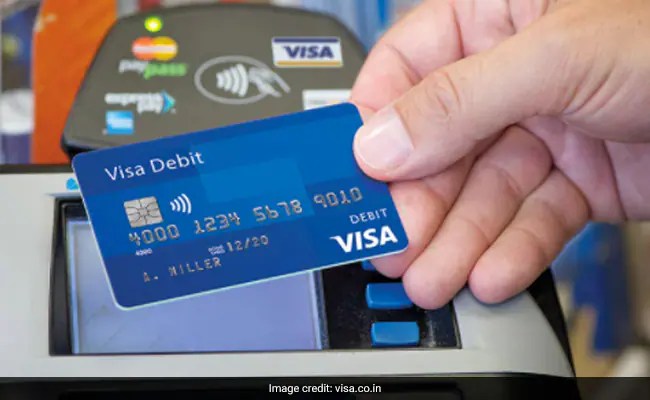
Tips for Secure Spend
- Choose Trusted Platforms: When making online purchases or conducting financial transactions, opt for reputable and trusted platforms with robust security measures in place. Look for indicators such as SSL encryption, two-factor authentication, and secure payment gateways to ensure that your personal and financial information remains protected.
- Use Strong Passwords: Create strong, unique passwords for each online account and avoid using easily guessable information such as birthdays or pet names. Consider using a password manager to securely store and manage your passwords, reducing the risk of unauthorized access to your accounts.
- Be Wary of Phishing Attempts: Exercise caution when responding to emails, messages, or phone calls requesting sensitive information or urging urgent action. Phishing scams often masquerade as legitimate entities, tricking unsuspecting individuals into disclosing personal and financial details. Verify the authenticity of communication by contacting the sender directly through official channels.
- Monitor Your Accounts Regularly: Stay vigilant by monitoring your bank statements, credit card transactions, and online accounts regularly for any suspicious activity. Report any unauthorized transactions or discrepancies immediately to your financial institution to prevent further damage.
- Enable Multi-Factor Authentication: Strengthen the security of your accounts by enabling multi-factor authentication wherever possible. This additional layer of protection requires users to provide two or more forms of verification before gaining access to their accounts, reducing the likelihood of unauthorized access in the event of a compromised password.
- Update Software and Security Patches: Keep your devices, software, and security applications up to date with the latest patches and updates to mitigate vulnerabilities and protect against known security threats. Set up automatic updates where available to ensure continuous protection against emerging threats.
- Educate Yourself: Stay informed about the latest trends and best practices in cybersecurity to empower yourself against potential threats. Educate yourself about common scams, phishing techniques, and fraud schemes to recognize and avoid them effectively.
Conclusion
Secure spend is not just a recommendation; it’s a necessity in today’s digital landscape. By implementing proactive security measures and adopting best practices for financial transactions, individuals can safeguard their sensitive information and protect themselves against cyber threats. From choosing trusted platforms and using strong passwords to staying vigilant against phishing attempts and enabling multi-factor authentication, there are numerous steps that consumers can take to enhance the security of their financial transactions. By prioritizing secure spend practices, we can all contribute to a safer and more secure digital ecosystem for generations to come.
 Secure Spend